BJP’s power in Hindi states has often been based on a combination of the organizational strength of RSS and Hindutva politics. According to the latest data till 2026, most of the recent CMs have been ‘organisation men’ of RSS or ABVP, emerging from shakha, student movement, Ram Mandir or Kashmir movement, but some like Yogi Adityanath emerged from their own brand of Hindutva who are not RSS pracharaks, while there are exceptions like Samrat Chaudhary. No RSS background, just party and caste equations. Let us understand the pattern of BJP-RSS in the explainer…
Question 1: What is the interference of RSS or Hindutva in Madhya Pradesh, Chhattisgarh and Rajasthan?
answer: In these three states, the CMs elected after winning the 2023 assembly elections are from the entire RSS family:
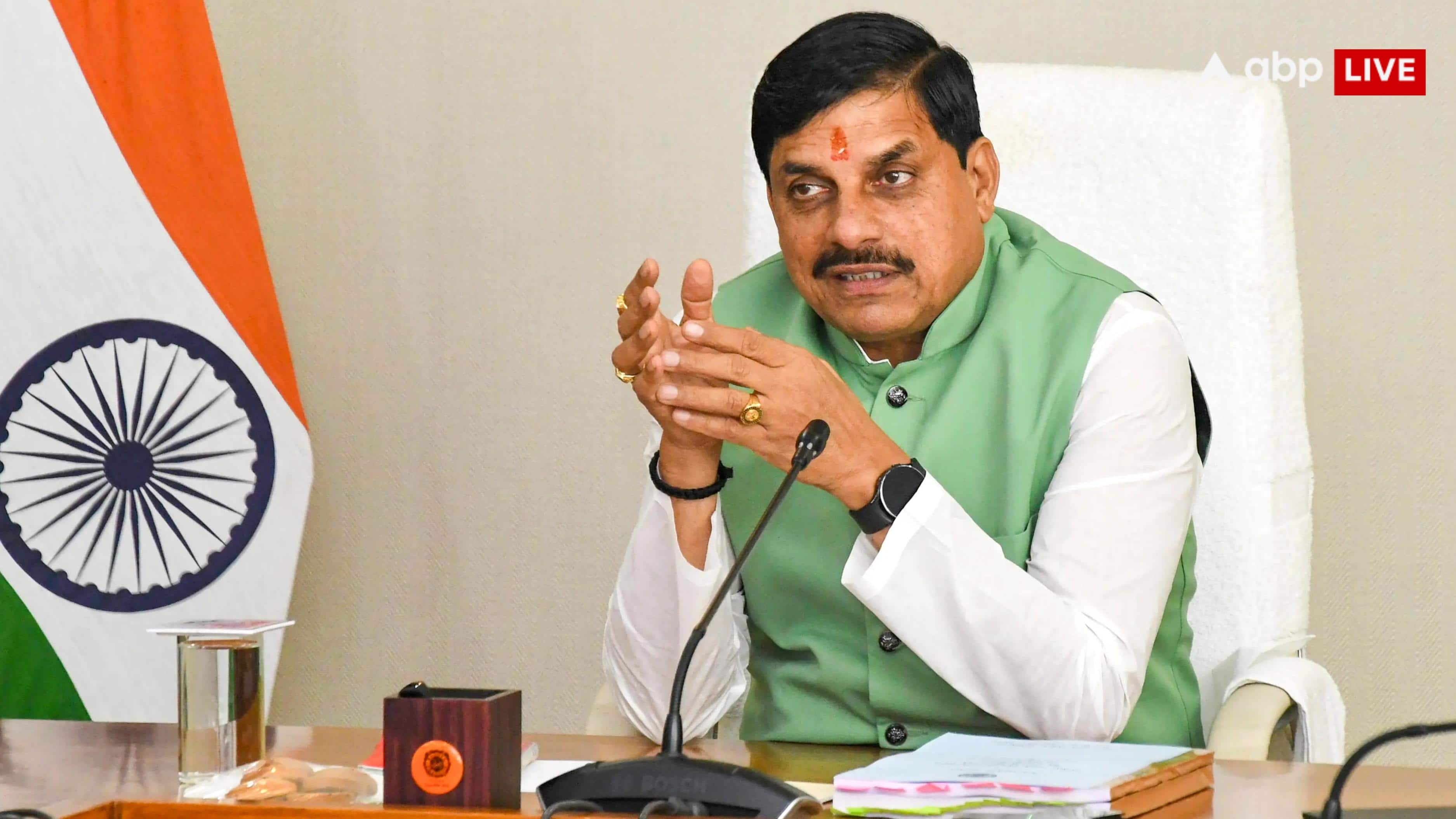
- Madhya Pradesh: Dr. Mohan Yadav became the Chief Minister on 13 December 2023. Mohan Yadav of Ujjain comes from OBC community. He became the joint secretary of the student union at Madhav Science College in 1982 and became its president in 1984. From 1986-97, he held various positions in RSS’s student wing Akhil Bharatiya Vidyarthi Parishad (ABVP). Was the National Secretary of ABVP from 1990-92. In 1993-95, he became the co-section secretary of Ujjain city in RSS and in 1997, he became a member of BJP Yuva Morcha MP Working Committee. In 2021, when he was the Higher Education Minister, he announced to make Ramcharitmanas an optional subject of Philosophy in BA first year. They are holding hands of both RSS and Hindutva. He said on 5 February 2026, ‘Hindutva is the essence of nationalism and India is proud of it.’
- Chhattisgarh: On December 13, 2023, Vishnu Dev Sai became the first tribal CM of Chhattisgarh. In 1989, he became Panch in village Bagiya and in 1990, he was elected Sarpanch unopposed. Then became MLA, MP, BJP State President and then Union Minister. Vishnu Dev is a member of RSS and plays the organization’s fronthand. On December 10, 2023, the BJP legislature party elected him as its leader. Amit Shah had said in Kunkuri, ‘If BJP wins, Vishnu will make Dev Sai a big man.’ He is a grassroots leader of few words. RSS is backing and tribal identity is there.
- Rajasthan: On December 12, 2023, RSS and Hindutva icon Bhajan Lal Sharma became the Chief Minister. He was associated with ABVP since his school days. In 1990, he was arrested in Udhampur during ABVP’s Kashmir Bachao Andolan march to Srinagar. Then in 1992 he was arrested during the Ram Janmabhoomi movement. Worked as an ‘organization man’ in BJP and RSS for 34 years, but remained low profile. BJP made him CM in 2023. Bhajan Lal had said in election rallies, ‘The one who fought with Shri Ram should be remembered.’
Question 2: What did Uttar Pradesh and Uttarakhand have to do with RSS-Hindutva?
answer: The Hindutva image of the CMs of these two states is so strong that one of them appears to be a federalist despite not being a union:
Yogi Adityanath became the CM of Uttar Pradesh on 17 March 2017. He is the Mahant of Gorakhnath Peeth, but not an RSS pracharak. That is, he did not go through the shakha sanskar of Nagpur, but made Hindutva his brand ‘Hindu Hriday Samrat’. Formed Hindu Yuva Vahini in 2002. Became CM after BJP’s massive victory in 2017 and has been MLA from Gorakhpur five times. RSS now supports him but he is considered an ‘outsider’. In 2017, he had said, ‘If a Hindu girl marries a Muslim, we will take back 100 Muslim girls. If they kill one Hindu, we will kill 100. After this, he warned those doing love jihad by saying ‘Ram Naam Satya Hai’. Became a leader through Hindutva politics, not through RSS organization.

Pushkar Singh Dhami became the CM of Uttarakhand on 4 July 2021. Dhami of Thakur community has been associated with RSS since 1990. He has been associated with Sangh, ABVP and allied organizations for a total of 33 years. Became BJP Yuva Morcha President in 2002. Got the post of CM after the resignation of Tirath Singh Rawat in 2021. Became the first CM in India to implement the Uniform Civil Code (UCC) on 27 January 2025. Dhami said on UCC, ‘This Devbhoomi will start a new era of social justice, equality and constitutional values in Uttarakhand.’
Question 3: Is Samrat Chaudhary of RSS in Bihar or is he just supporting Hindutva politics?
answer: The first BJP CM of Bihar, Samrat Chaudhary comes from Kushwaha (OBC). He had been a minister in RJD’s Rabri government in 1999. Joined JDU after 2005 and then joined BJP in 2017. That means there is no traditional RSS background. Selected for ‘Luv-Kush’ equation and OBC outreach. In March 2026, Nitish Kumar announced to go to Rajya Sabha and on 15 April 2026, Samrat Chaudhary took oath. He is considered close to Modi-Shah, but has no connection with RSS.

Question 4: How did the old CMs of BJP in Jharkhand, Himachal Pradesh and Delhi connect with RSS-Hindutva?
answer: The story of the old CMs of BJP in all three states is filled with a mixture of the organizational roots of RSS and the ideology of Hindutva, where some leaders were direct workers of RSS and some became the faces of Hindutva politics. This pattern became stronger again in Delhi with the arrival of Rekha Gupta:
- Delhi: Among the previous three Chief Ministers of BJP, Madan Lal Khurana (1993-1996), Sahib Singh Verma (1996-1998) and Sushma Swaraj (1998), Sahib Singh Verma was most directly associated with the RSS. He remained active in RSS, then joined Janata Party and BJP. Madan Lal Khurana was called the ‘Lion of Delhi’. He was an old leader of Jan Sangh and became a symbol of strong Hindutva politics, although he was not an RSS pracharak. Sushma Swaraj was also a vocal face of Hindutva and remained completely connected to the ideology of the party. Now after 27 years, in February 2025, Rekha Gupta, who had joined ABVP in 1992, became the Chief Minister of Delhi. Became the President of DUSU and has been a member of RSS for 30 years.
- Himachal Pradesh: Old BJP chief ministers include Shanta Kumar, who was associated with the Janata Party in 1977-80, and later joined the BJP. Prem Kumar Dhumal (1998-2003 and 2008-12) was indirectly associated with the organizational politics of RSS. Shanta Kumar was an early leader of Jan Sangh and was active at the national level of BJP, but he was not a full-time campaigner of RSS. Prem Kumar Dhumal came from ABVP background and worked in Yuva Morcha, but his focus was more on party organization. Both adopted the BJP line of Hindutva, but had less direct connection with RSS’s Shakha Sanskar.
- Jharkhand: Among the old BJP Chief Ministers Babulal Marandi (2000-2003), Arjun Munda and Raghubar Das (2014-2019), Babulal Marandi was the most deeply associated with the RSS. He joined the RSS in his childhood, was active in the Ram Janmabhoomi movement through Vishwa Hindu Parishad (VHP) and worked with RSS affiliates like Vanvasi Kalyan Ashram. Arjun Munda and Raghubar Das emerged through Hindutva politics, where they carried forward the ideology of BJP with tribal-non-tribal equation, but they did not have as direct an RSS background as Marandi.
Question 5: What is the overall pattern of BJP-RSS in Hindi belt states?
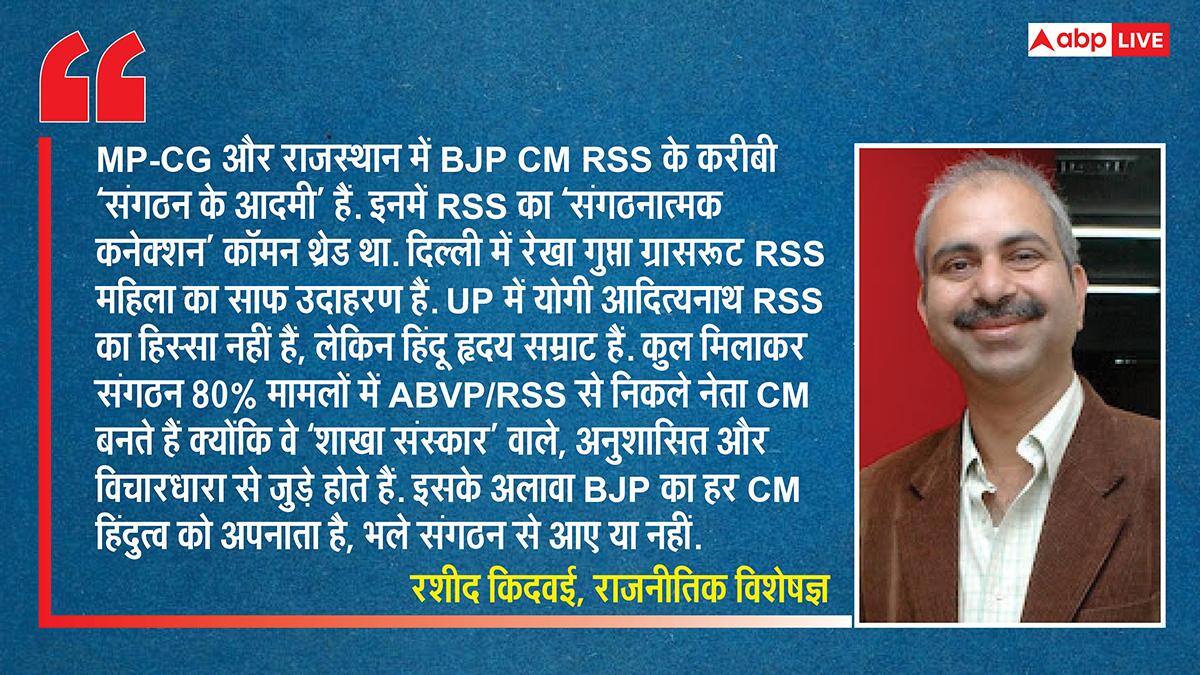
answer: Political expert Rashid Kidwai says that the biggest pattern of BJP’s rule in the Hindi belt is that ‘organization men’ with a strong background in the RSS organization are made Chief Ministers in most of the states, while the ideology of Hindutva binds everyone together. Leaders from allied organizations like RSS branch, ABVP student politics, Ram Janmabhoomi-Kashmir movement or VHP remain the first choice of BJP, but where necessary, strong face of Hindutva or caste equation is given preference. Like Yogi Adityanath and Samrat Chaudhary. This pattern is more clearly visible in the latest data till 2026. RSS gives stability to the organisation, the fire of Hindutva ideology and the strategy of Modi-Shah balances caste and region.