Pink cold has knocked in many states including Delhi, Rajasthan, Uttar Pradesh and Himachal Pradesh. In Gulmarg, Jammu and Kashmir, a month has passed since the first snowfall of the winter season, which usually starts in late October. Meteorologists say that this time the cold will start early and last for a long time. The reason behind this is the ‘La Niña’ effect of the sea.
So let us understand in ABP Explainer why there will be severe cold this time across the country, what are the reasons behind it and how La Nina increases the cold…
Question 1- When does the winter season usually start and end in India?
answer- The winter season in India starts from the last week of November and continues till the last week of February. This is the time when there is a continuous drop in temperature, there is snowfall in the hilly areas and cold winds start blowing rapidly in northern India. According to meteorologists, the weather is divided into three parts.
1. Pre-Winter
- In this period from 20th November to 20th December, there is a slight onset of cold. It is hot during the day but it starts getting cold at night.
- Fog and mist start falling in the plains. Snowfall starts in the hilly areas.
- The temperature gradually starts falling and warm clothes start being included in people’s daily routine.
2. Peak-Winter
- This is the coldest period of winter from 20 December to 20 January. These days, the temperature in many states drops below 10 degrees Celsius and in many parts of Northern India the minimum temperature can be around or even below zero.
- Western Disturbance remains the most active. This is the same weather system that brings heavy snowfall in the mountains and cold winds or rain in the plains.
- During this period, there is severe cold in states like Delhi, Punjab, Haryana, Rajasthan and Uttar Pradesh. The fog is so dense in the morning and night that visibility becomes very low.
3. Post-Winter
- The temperature starts increasing gradually between January 20 and February 20, but the effect of cold winds remains. The sun is strong during the day, but the mornings and nights remain cool.
- Many times during this period also, due to western disturbances, light rain and return of cold is seen. During this time, the transition of weather from winter to summer begins.
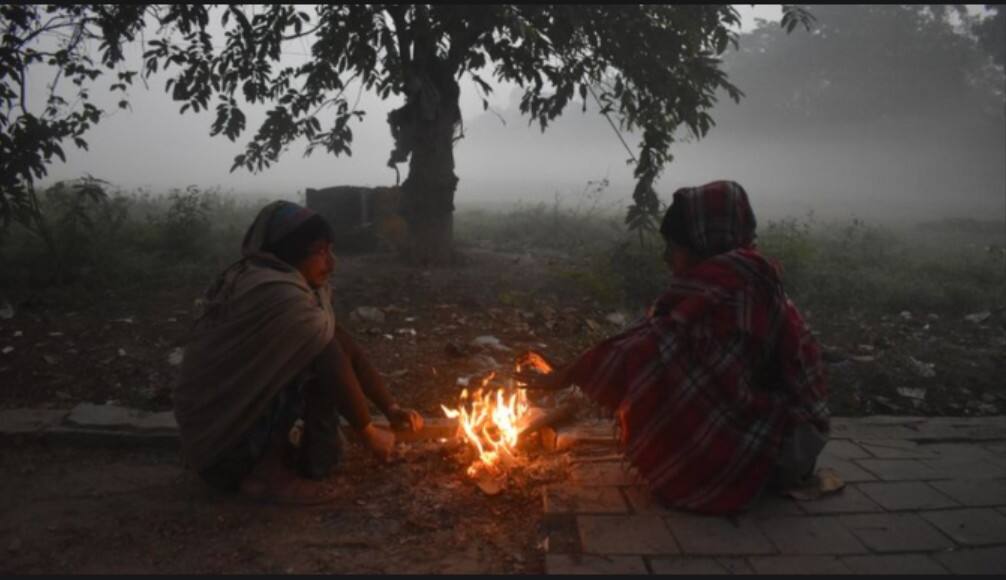
Question 2- How will the winter pattern be different this year in India?
answer- It has started getting very cold on the surface of the Pacific Ocean around the equator in the first week of October. This is the beginning of La Nina, which means winters will be very harsh this time. Monsoon also came early in India and there was 8% more rainfall than average. Due to this the summers were not very hot. Now the knock of winter has started before time. According to meteorologists-
- There is a possibility of a huge drop in temperature in North India, that is, the cold wave will last longer in the states of North India. The temperature may go much below normal, which will increase the effect of cold and fog.
- Even in the hilly states, snowfall may start early and is expected to continue till late. This will also affect tourism. While on one hand the crowd of tourists will increase for the snowy views, on the other hand the local administration will have to make more preparations to deal with road closures and cold.
- Due to La Nina, there is an increase in moisture and cold winds, due to which the fog situation in the plains can become severe. This will reduce visibility and may affect rail, road and air traffic.
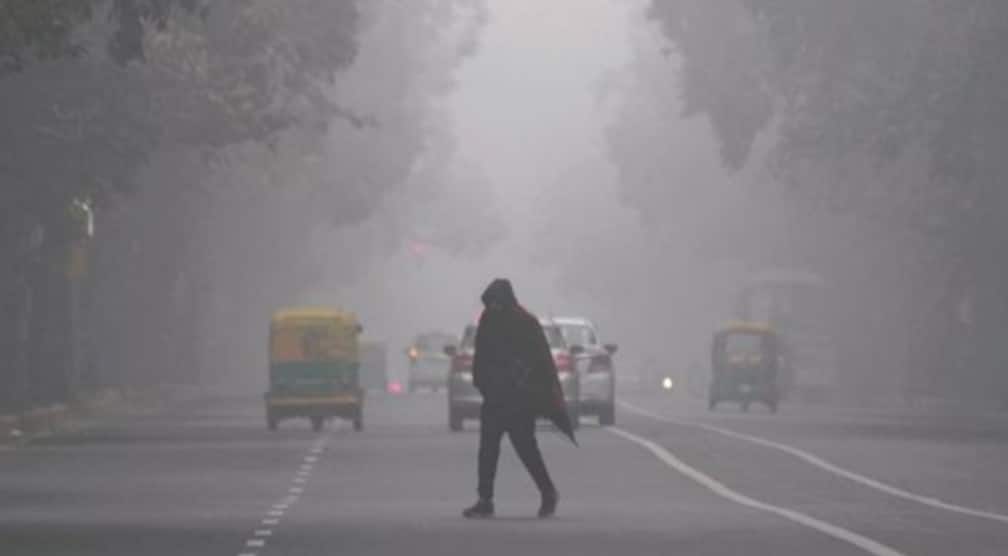
However, the Indian Meteorological Department (IMD) has not yet released the winter forecast. According to IMD Director General M. Mahapatra, La-Nina has not arrived yet, but La-Nina conditions are expected in the next few months. This will affect winter.
Question 3- What is La Nina causing cold in India this year?
answer- La Niña is a natural climate phenomenon in which the waters of the eastern Pacific Ocean become cooler than normal by more than 0.5°C. Due to this, the winds become stronger, the jet stream (upper winds) shifts towards the south and cold winds and snowfall increase in India. La Nina pushes cold winds towards India, causing ‘pink cold’ in Delhi, Rajasthan, UP and Himachal from mid-October. There is a 71% chance of La Nina in 2025.
La Nina brings the jet stream towards India, due to which the cold winds of the Arctic reach the plains. Also, due to weakening of western disturbances, less clouds form, nights remain clear and the temperature drops by 2-4°C.
Question 4- Why and for how long will winter last this time?
answer- The National Oceanic and Atmospheric Administration (NOAA) has said that there is a 71% probability of La Nina forming between October and December, while between December and February this probability will be 54%.
La Nina affects the weather and climate of the entire world. Experts predict that this will further strengthen the ice storm i.e. Western Disturbance originating from the Mediterranean Sea. Due to this, there will be heavy snowfall in the hilly areas of North India and cold winds will blow in the plains, fog and mist will remain.
It is estimated that the maximum impact of La Nina will be visible in India in January 2026. This will last till March and spring of 2026 will come quite late. However, some meteorologists also say that even if La Nina forms this year, it will be weak. It will not have much impact on this winter.
Question 5- Will the effect of this cold be the same on the whole of India?
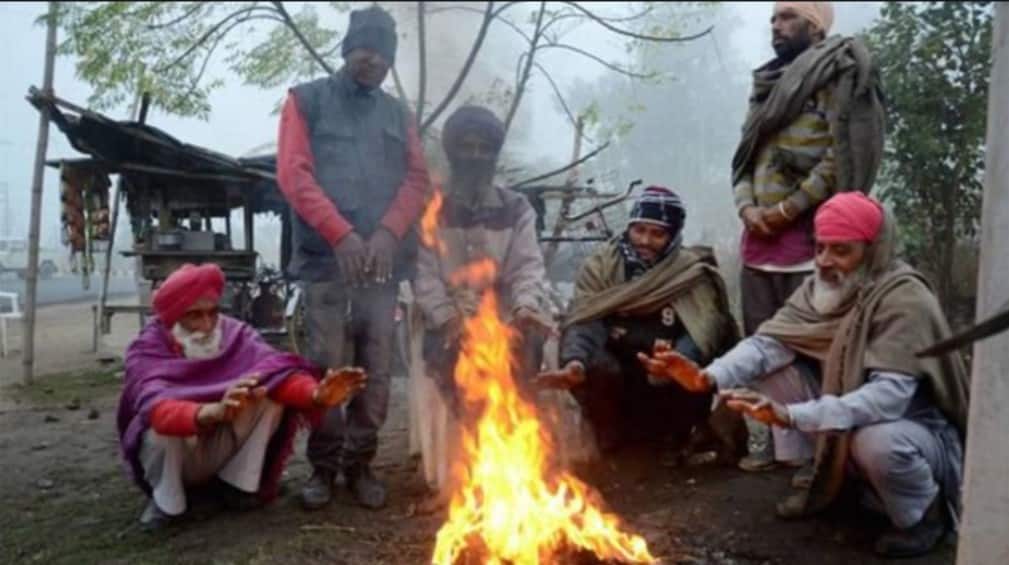
answer- According to experts, the full impact of cold will not be uniform in the country. Cold will be intense in North India (Delhi, UP, Rajasthan, Himachal), minimum temperature may drop to 2-3°C. Snowfall will increase in the Himalayan regions. There will be mild to normal cold in South India (like Bengaluru). Cold wave can last for 5-7 days in Punjab-Haryana.
Question 6- What is the Western Disturbance responsible for snowfall and cold wave?
answer- To the west of India is the Mediterranean Sea, from there the stormy wind brings moisture to our country through the Gulf countries and the Black Sea, Caspian Sea, which is called Western Disturbance. This wind comes to India and disturbs the weather pattern here, hence the word disturbance was coined.
Understand in easy language- If western disturbance comes during the cold season, it starts raining or snowing. In a way, this wind is responsible for unseasonal rain.
The winter of 2025-26 will be the coldest in the last 10 years, for this we will have to wait for the forecast of the Meteorological Department, but governments and you should start preparations from now to deal with the winter.