When US President Donald Trump announced a ceasefire in the Iran war on April 8, first of all you might have thought that now oil and gas will become cheaper. The old happy days will return again, but wait… you are wrong. Even though the ceasefire has opened the Strait of Hormuz, it will take months for oil and gas prices to come down. Now the question arises that when will we get relief from this shortage? So let’s understand in the explainer…
Question 1: How much did the prices of oil and gas fall after the opening of the Strait of Hormuz?
answer: The news of the opening of the Strait of Hormuz after the ceasefire on April 8 caused a significant decline in global energy prices, but this decline has still not reached pre-war levels. According to Reuters reports, Brent crude oil prices fell by about 15-16 percent to $ 93.73 per barrel after the ceasefire announcement, which was at a high of $ 110-120 in the previous days.
West Texas Intermediate (WTI) crude also fell to $94.52, a decline of about $18. Natural gas futures have declined by about 5 percent. Its impact on LPG prices in India is still visible indirectly. Commercial LPG has become a little cheaper, but the subsidized prices of domestic cylinders have not yet reduced, because imports have not yet normalized completely.

Question 2: Then oil and gas will be available cheap and there will be no shortage?
answer: No, gas will neither become completely cheap nor will the shortage completely end. This is just initial relief, not complete relief. Reports from the US Energy Information Administration (EIA) make it clear that despite the opening of Hormuz, fuel prices may remain high for several months as it will take time to fully restore the supply chain. The war has caused heavy damage to oil-gas fields, refineries and storage plants in the Persian Gulf, especially Qatar’s Ras Laffan natural gas hub, which produces 20 percent of the world’s LNG.
Experts say that opening of Hormuz is just the ‘first step’, but the entire Persian Gulf energy system will be normal within months. 60 percent of the demand for LPG in India comes from the Middle East, so the shortage will continue. Black market is running in Delhi and delay in delivery continues. Some ships are now transiting, but cheap and plentiful gas will not be available until full supplies are restored.
Question 3: Why will these problems not end even after the opening of Hormuz?
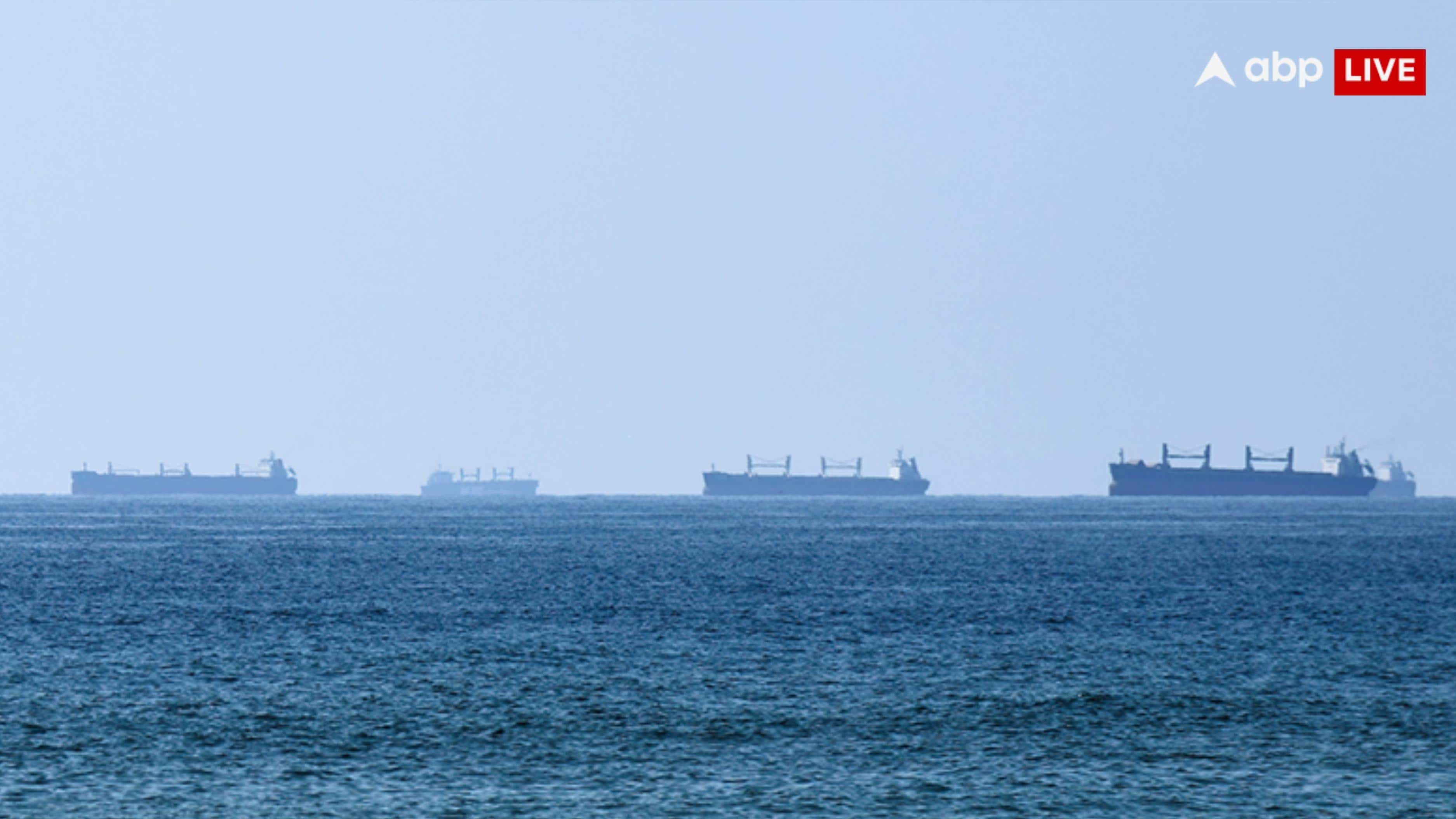
answer: Even after the opening of Hormuz, the problems will not end because the war has scattered not only the road but the entire energy infrastructure. Oil-gas wells, pipelines, refineries and storage facilities have been damaged. Thousands of tankers are stuck, workers are scattered and repair work is pending.
EIA has clearly stated that ‘full restoration will take months’ as it takes time to restart production, repair damaged plants and clear the backlog. Ras Laffan Hub’s 17 percent capacity is still in loss and may take years to repair. There will be a shortage of LPG in importing countries like India because 90 percent of the supply comes through this route and alternative sources (America, Russia) are not yet ready on that large a scale. The risk premium in prices will remain due to supply disruptions caused by the war, even if the route is opened.
Question 4: When will gas and oil be available normally?
answer: Experts believe that it will take several months to get gas and oil normally. Some production may begin within weeks, but it will take 3-6 months or more for the entire supply chain and production levels to return to pre-war levels.
According to the EIA report, it will take months for the Strait of Hormuz to be completely restored. According to media reports, it may take 6 weeks to transport the 170 million barrels of oil stuck in tankers to the refiners of Asia. It will take even more time to repair some plants in Qatar and UAE. The situation of LPG in India will be completely normal only when these global flows are restored. At present the government is increasing alternative imports and domestic production, but real relief will have to wait.